
The Confluence Project
Riverfront Redevelopment Unites Art, Education, & City Life in Downtown Eau Claire
Development Completed in 2018
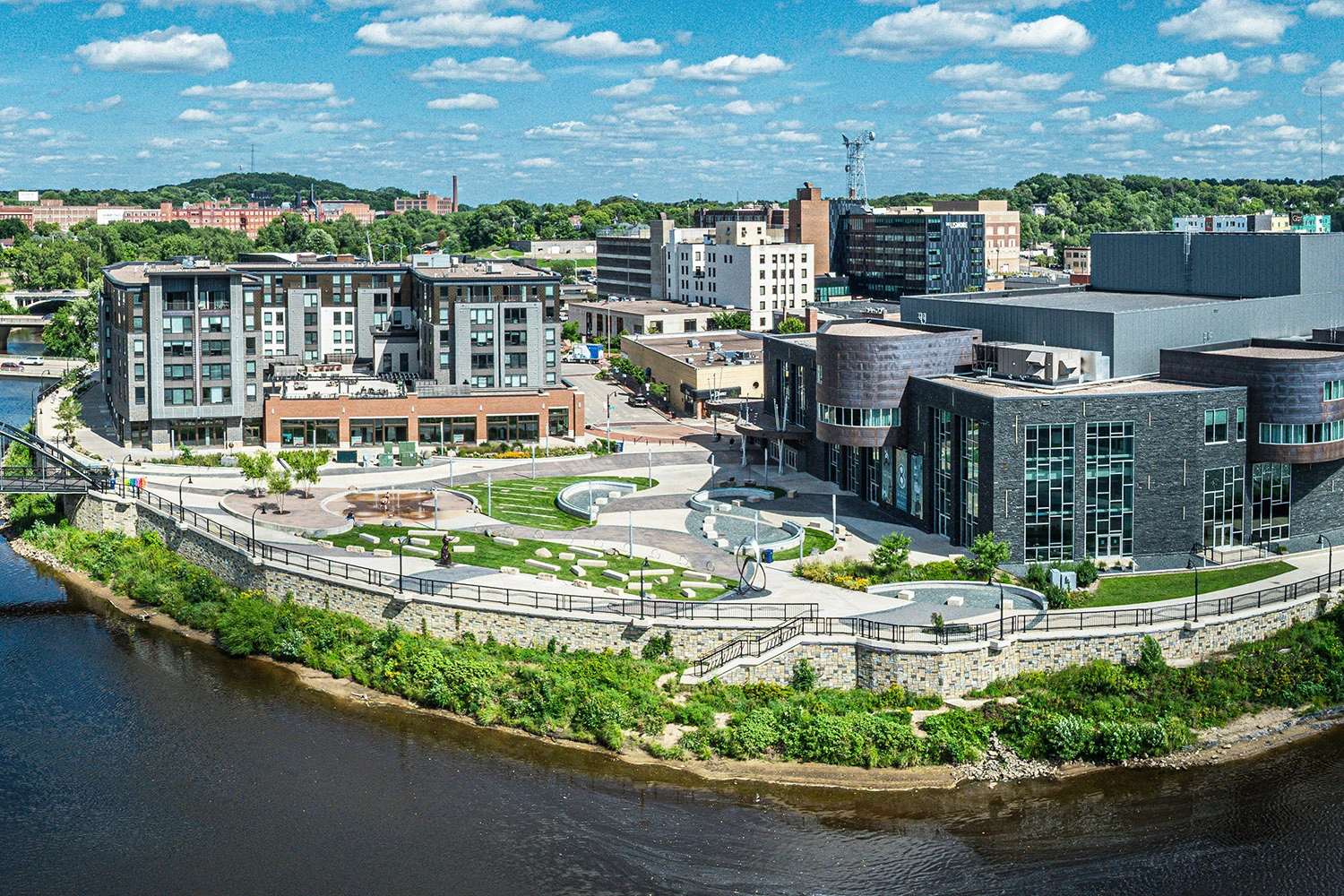
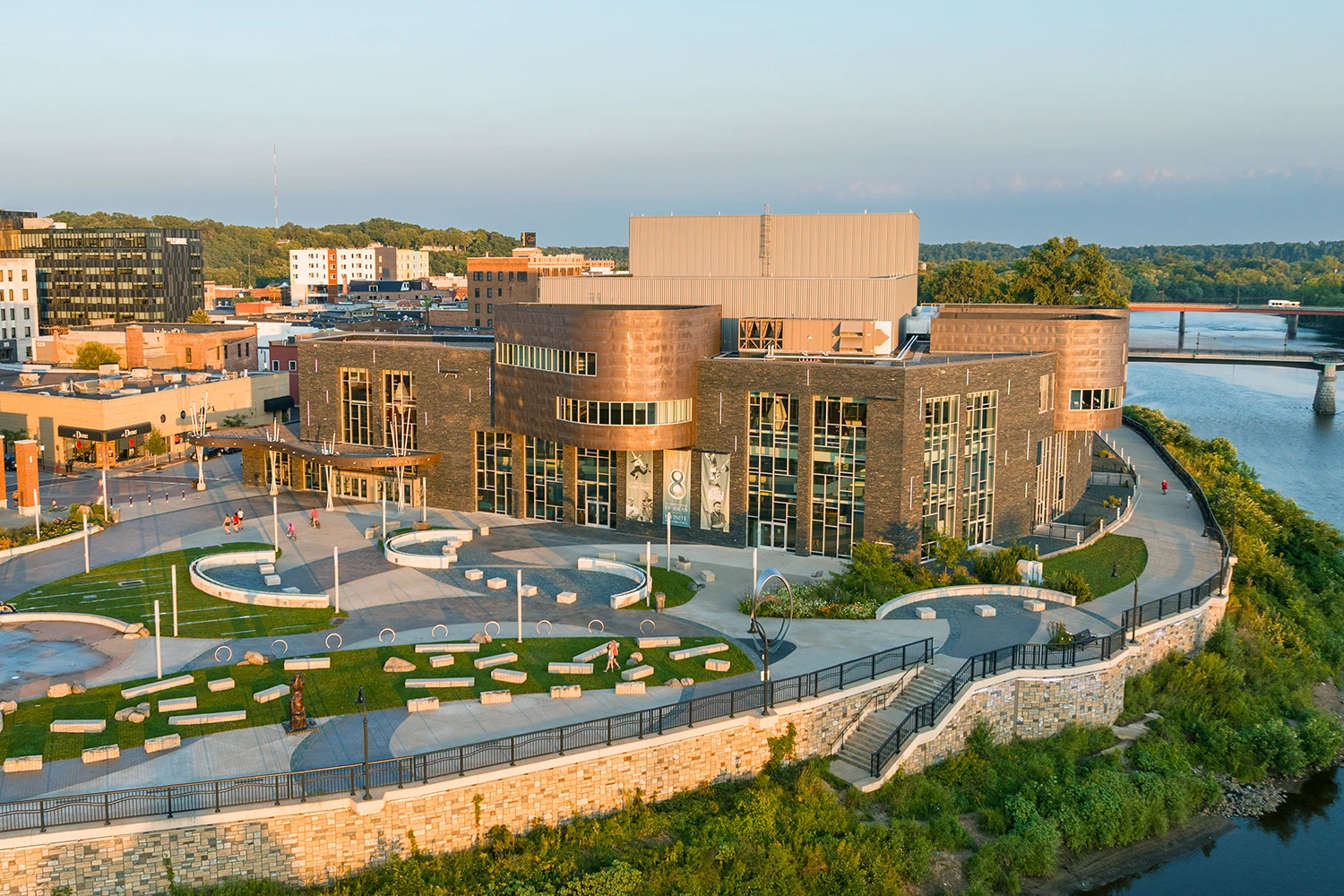
It’s hard to imagine downtown Eau Claire, Wisconsin without the Pablo Center’s bold architecture or the steady flow of students at Haymarket Landing along the riverfront. But not too long ago, this stretch of land at the southern meeting point of the Eau Claire and Chippewa Rivers was filled with lackluster buildings, a parking lot, and missed opportunities.
That all changed with the Confluence Project. More than just a single development, this community-driven effort aimed to rethink how the arts, higher education, and downtown living could all come together in one place. Today, it’s not only a cornerstone of downtown Eau Claire’s identity as a thriving hub for local art enthusiasts and our growing student population; it’s a crown jewel showcasing what’s possible when a city leans into both collaboration and creativity.
- Project Background
- Project Timeline
- Project Cost
- Project Goals
In the early 2010s, Eau Claire’s downtown was starting to shift. Phoenix Park had already proven how transformative riverfront redevelopment could be, and people began to wonder what would come next. A large, underused site just across the river from the beloved downtown park was the answer.
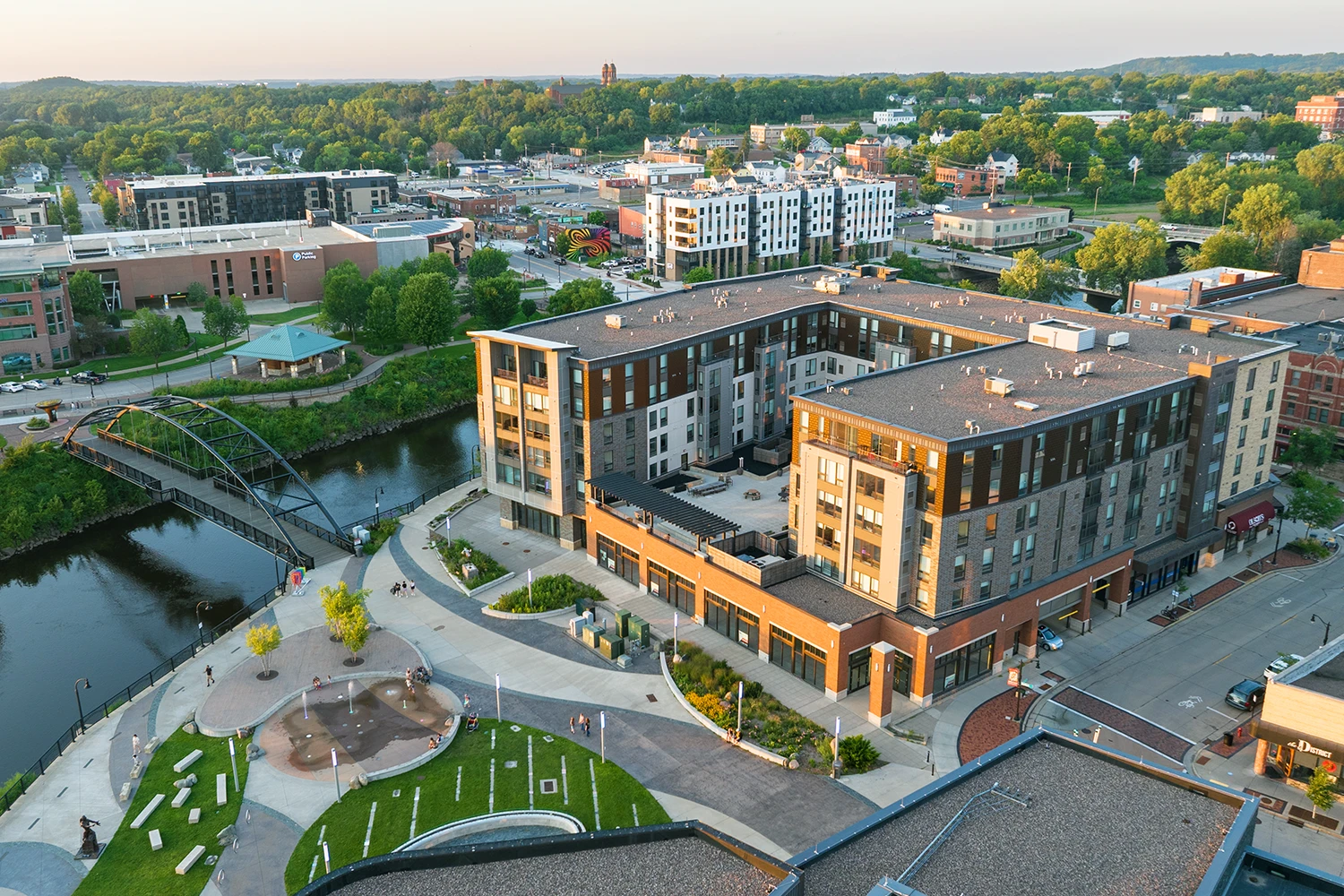
Local City leaders, regional partners, the University of Wisconsin–Eau Claire, private developers (NAI Commonweal Development, Market & Johnson, and Blugold Real Estate), and arts organizations all came together around a bold idea: build a world-class performing arts center, integrate student housing and commercial space, and add a vibrant public plaza to tie it all together.
The plan wasn’t without its challenges; it took over five years to garner community support and find funding for both projects. But through forums, referendums, and a shared sense of purpose, momentum grew, and in 2016, Haymarket Landing opened its doors followed by the Pablo Center at the Confluence just two years later, setting the stage for another era in downtown.
• Early 2010s: Vision and community input
• 2012-2015: Fundraising and planning
• 2015-2018: Construction
• 2016 & 2018: Official opening
Project Cost: $93 million
This includes costs related to land acquisition, environmental cleanup, infrastructure improvements, building design, and construction of both developments, with Haymarket Landing costing an estimated $33 million and the Pablo Center at the Confluence costing an estimated $60 million.
From the start, the Confluence Project went beyond just constructing two new buildings. It was about what those buildings could do—how they could support the arts, connect the university to downtown, and create a place where people wanted to be. Here’s what the project set out to achieve:
1. Build a Top-Tier Performing Arts Center
Eau Claire needed a space that could serve both university programs and the wider community. The Pablo Center answered that call with theaters, galleries, and classrooms all in one.
2. Connect UW–Eau Claire & the City
By co-locating university resources in a downtown facility, the project created new opportunities for students, faculty, and residents to collaborate and engage.
3. Bring Life to the Riverfront Core
The once-underutilized site became a magnet for foot traffic, events, and investment—helping shift the city’s center of gravity back toward the rivers.
4. Support Downtown Living
Student housing above retail space at Haymarket Landing created a true live-work-play environment right in the heart of downtown.
5. Celebrate Eau Claire’s Creative Identity
From public art to public performances, the project gave creativity a central stage in everyday downtown life and finally put Eau Claire on the map in the performing arts community as an emerging destination for performances.
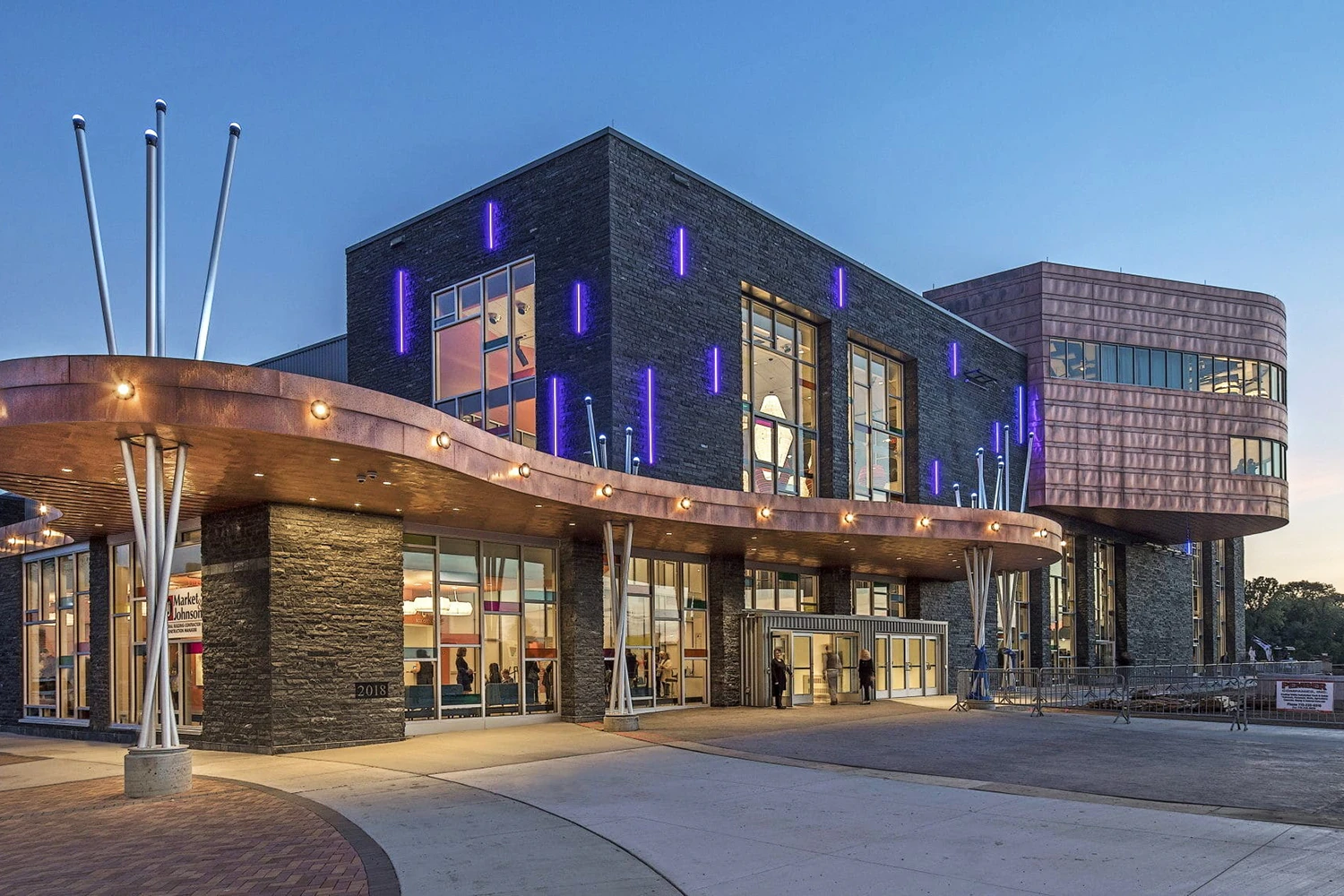
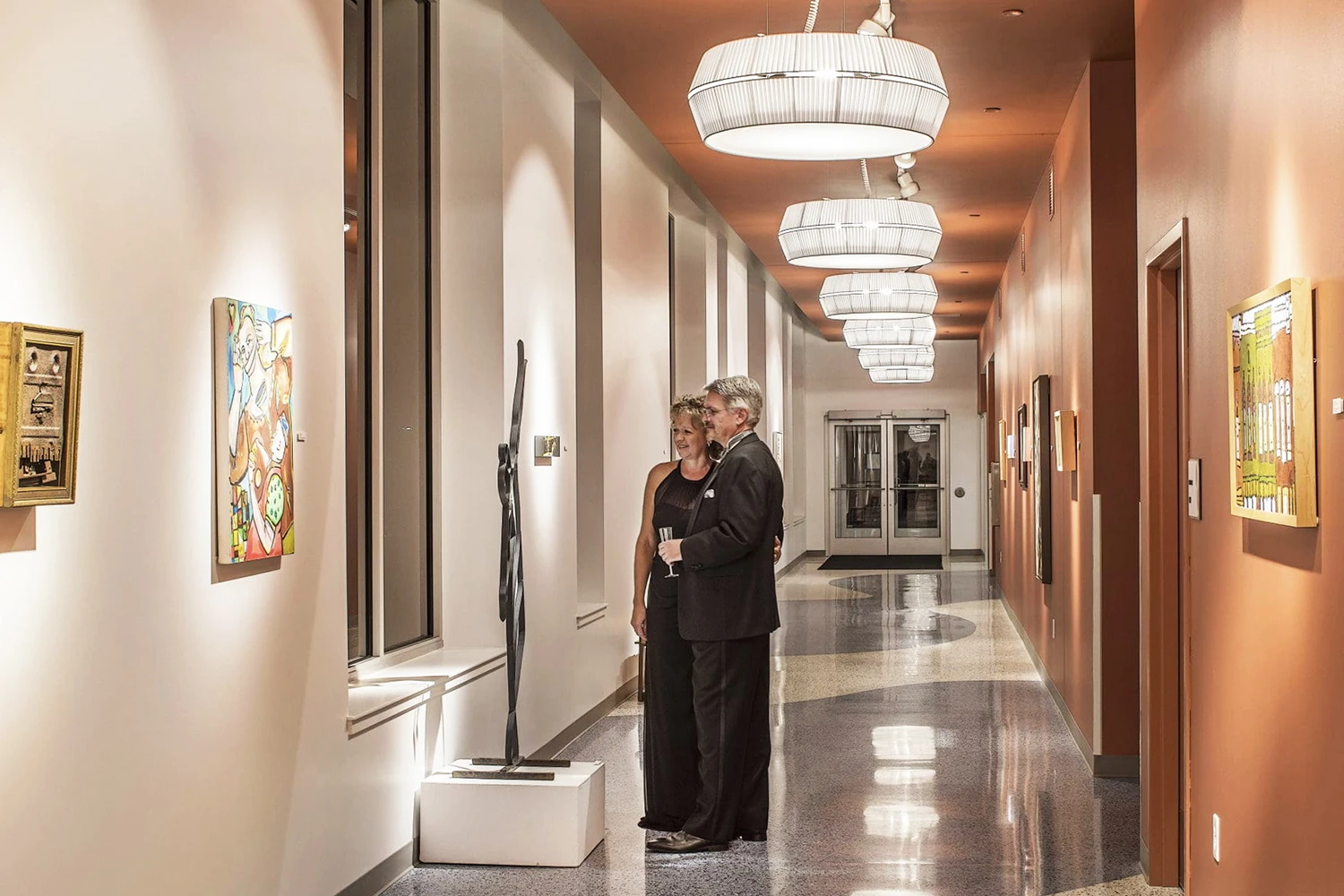
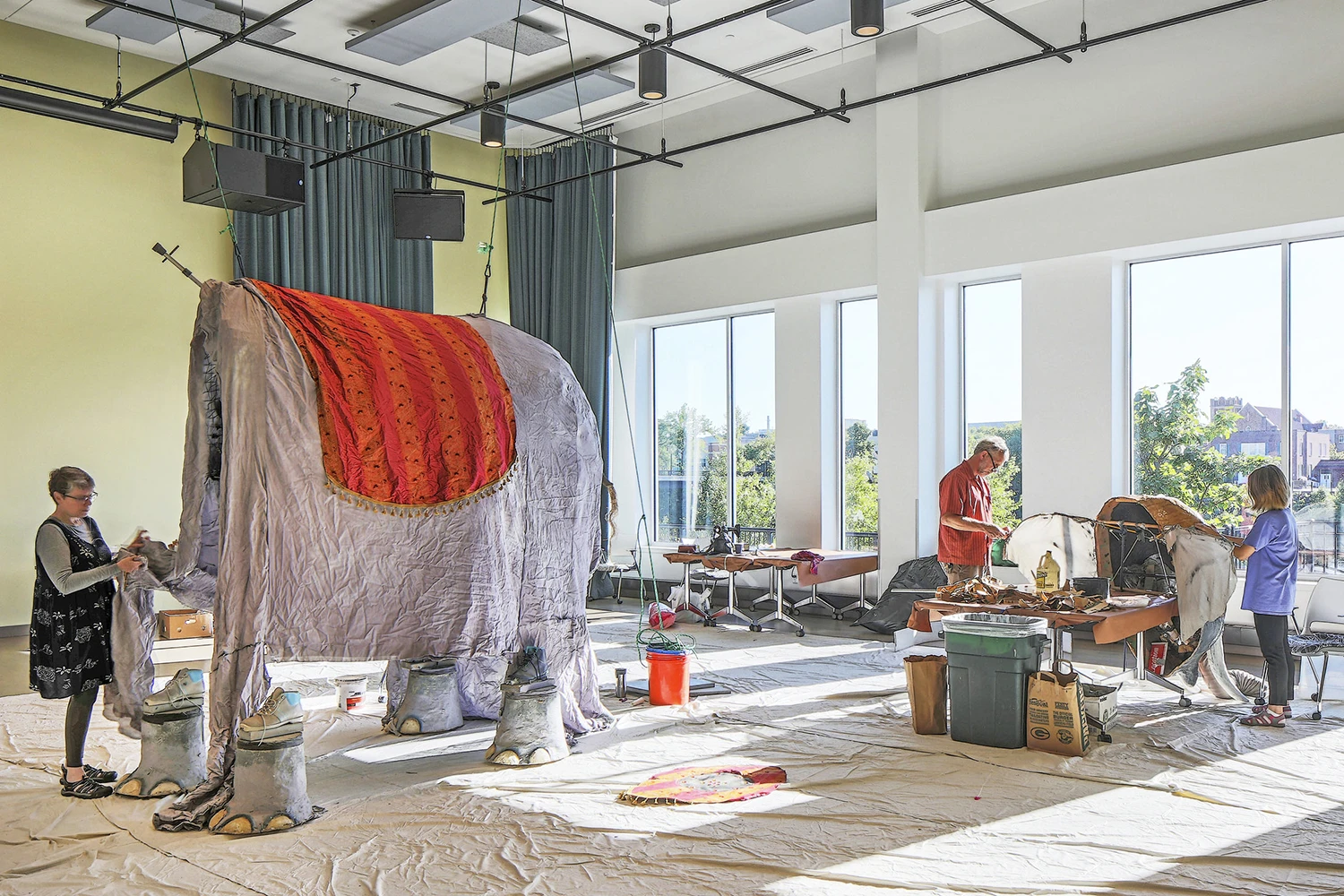
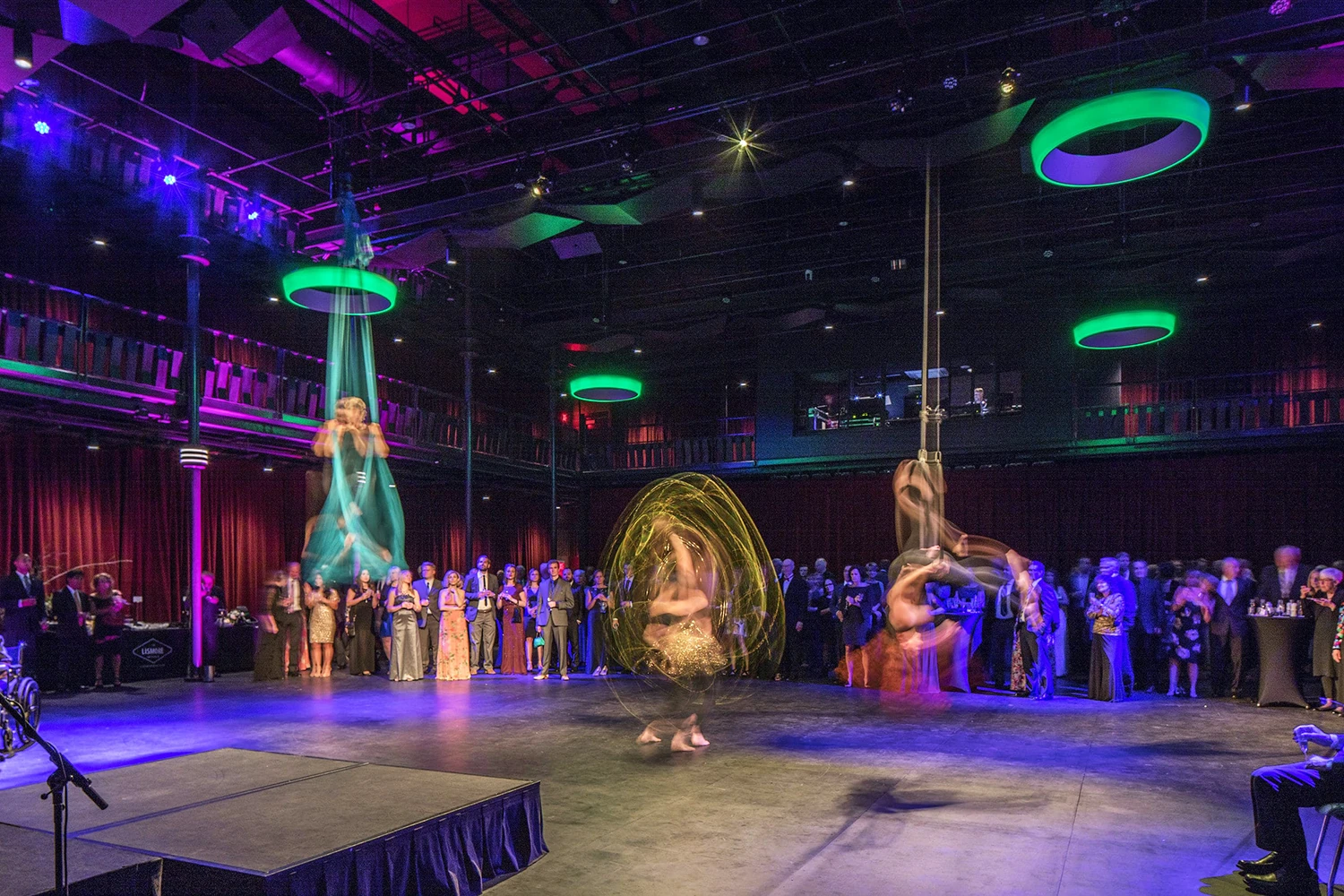
Photos by Tom Kessler Photography for Steinberg Hart
Project Features
The Confluence Project brought together a plethora of new features that have made it a dynamic part of the city’s landscape:
Main Theatre
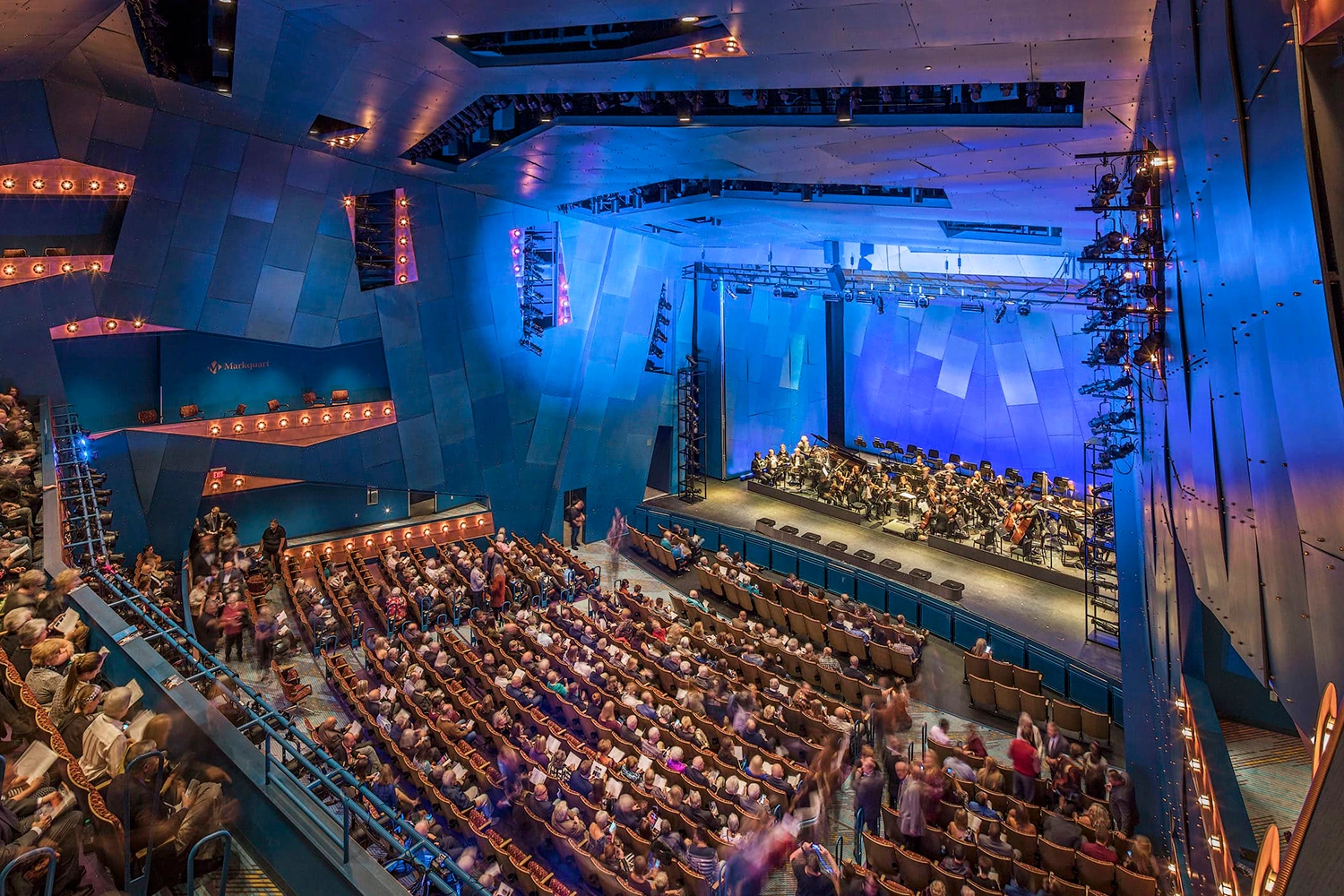
The Pablo Center’s signature venue, the RCU Theater, is a 1,200- to 1,500-seat proscenium theater designed to host everything from symphony performances to major touring productions. The space includes professional-grade lighting, sound, and acoustics, making it a top-tier venue for both UW–Eau Claire programs and national acts.
Black Box Theatre
This flexible performance space, also known as the JAMF Theater, provides an intimate setting for smaller productions, experimental works, and student performances. Its adaptable layout also supports a wide range of seating and staging configurations, giving artists room to explore new creative formats.
Rehearsal Studios
Multiple dedicated rehearsal rooms give student musicians, vocalists, and performers the space they need to practice and prepare. These rooms are acoustically designed and equipped with professional tools to mirror real-world performing environments.
Visual Art Galleries
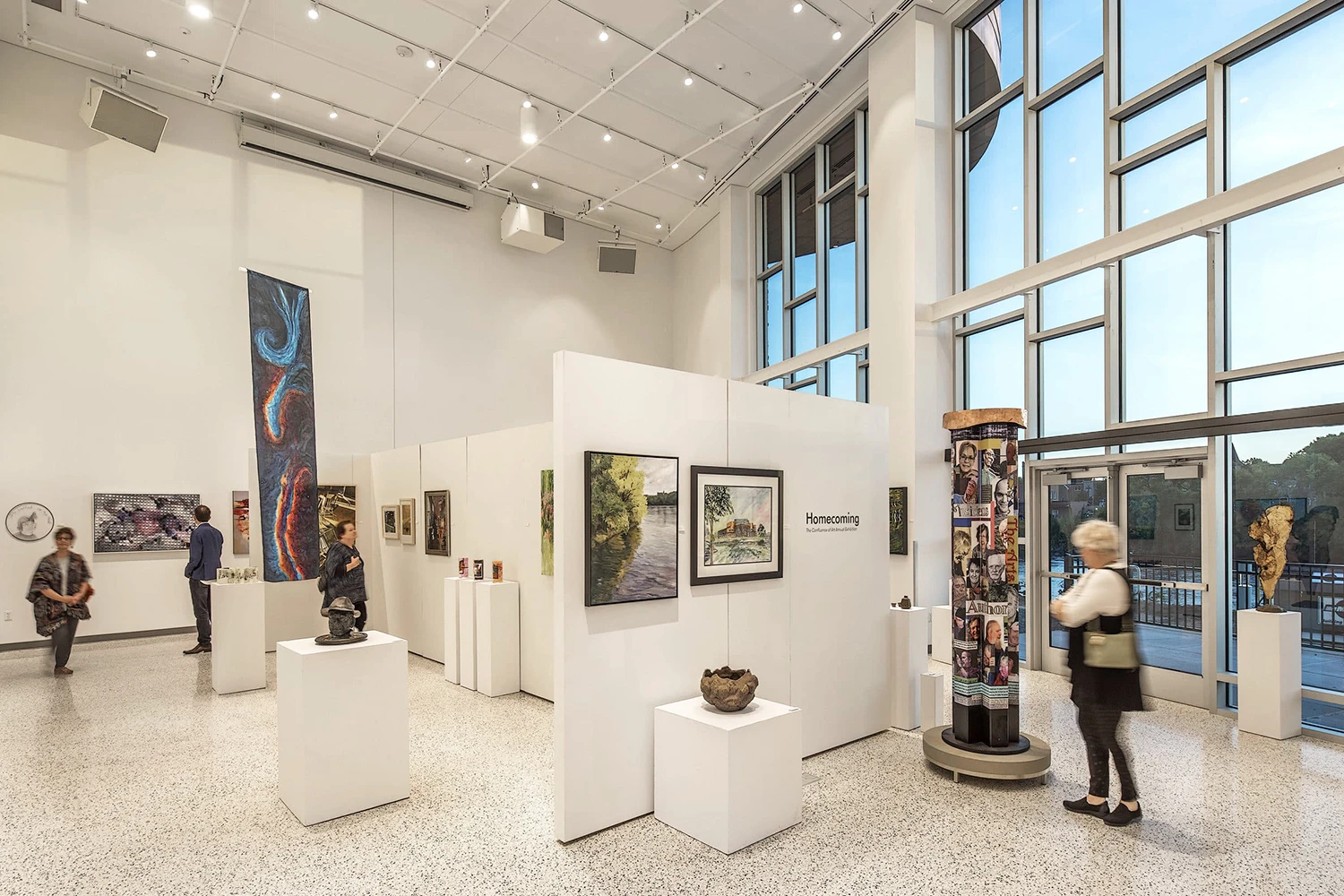
Inside the Pablo Center, visitors can explore rotating exhibits of regional and student artwork in modern gallery spaces. The galleries celebrate Eau Claire’s creative identity and offer year-round access to visual arts in the heart of downtown.
Production Labs & Classrooms
Students have access to sound, lighting, and set design labs, along with classrooms and collaborative workspaces built into the Pablo Center. These learning environments allow students to work hands-on with the same tools used in professional performing arts careers.
Acoustic & Technical Excellence
The Pablo Center was specifically engineered for acoustic precision and advanced performance technology. It includes top-tier lighting grids, rigging systems, digital sound boards, and projection equipment—allowing it to host events ranging from symphonies to multimedia productions with professional quality.
Collaborative Use Spaces
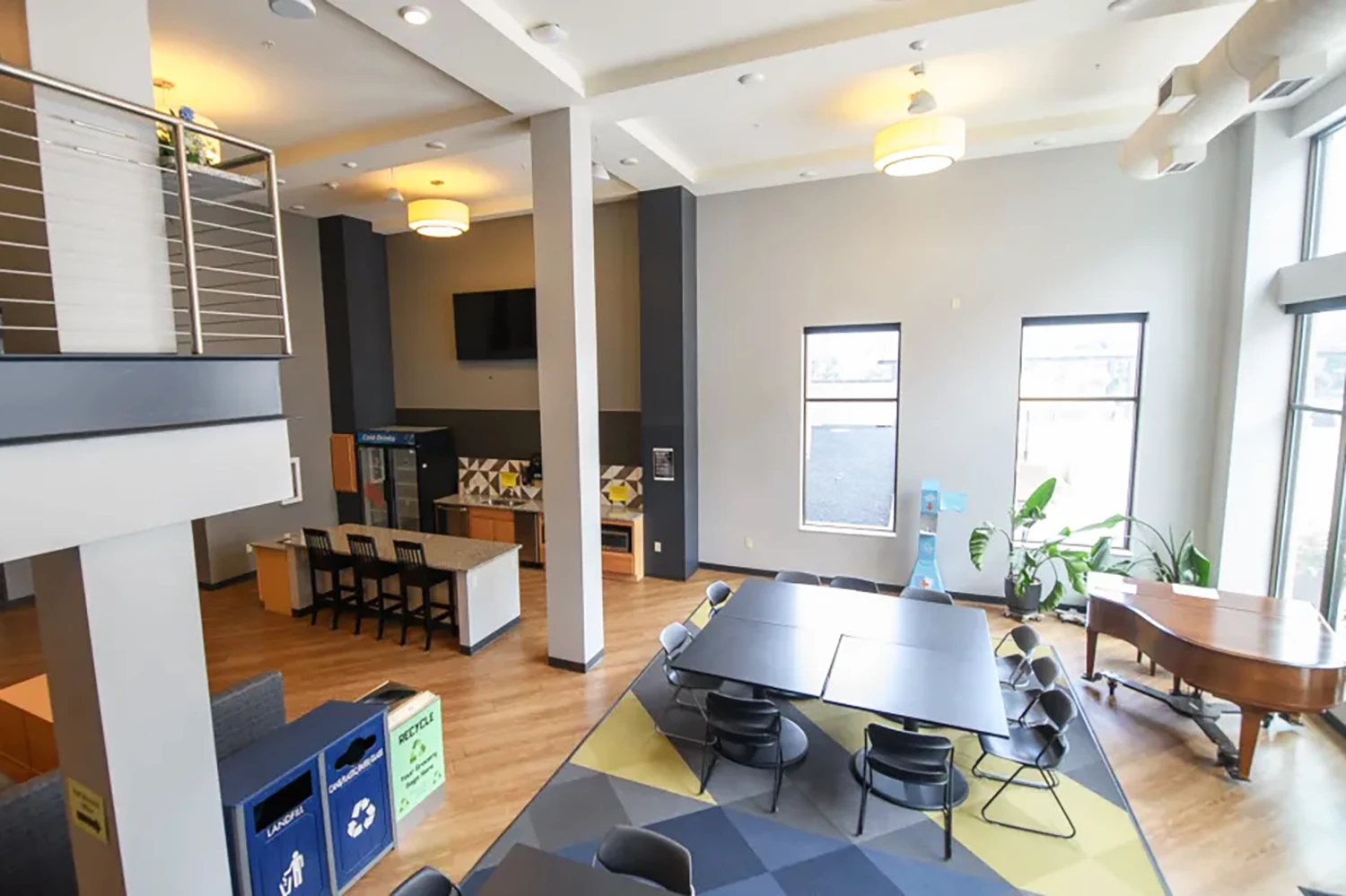
Shared spaces within the Pablo Center are designed to encourage collaboration between university students, visiting artists, and community members. These include multipurpose rooms, lounges, and breakout areas where academic learning intersects with real-world creative work.
Maker Space & Creative Technology Lab
The Pablo Center houses a Maker Space and Innovation Lab, giving students and local entrepreneurs access to tools like 3D printers, laser cutters, CNC routers, and graphic design software. This space supports design thinking, prototyping, and creative experimentation across disciplines.
Conference & Event Facilities
In addition to performance spaces, the Pablo Center includes meeting rooms and event spaces that can host public forums, lectures, university events, and private functions—bringing in visitors and generating year-round activity.
Riverfront Architecture & Public Art
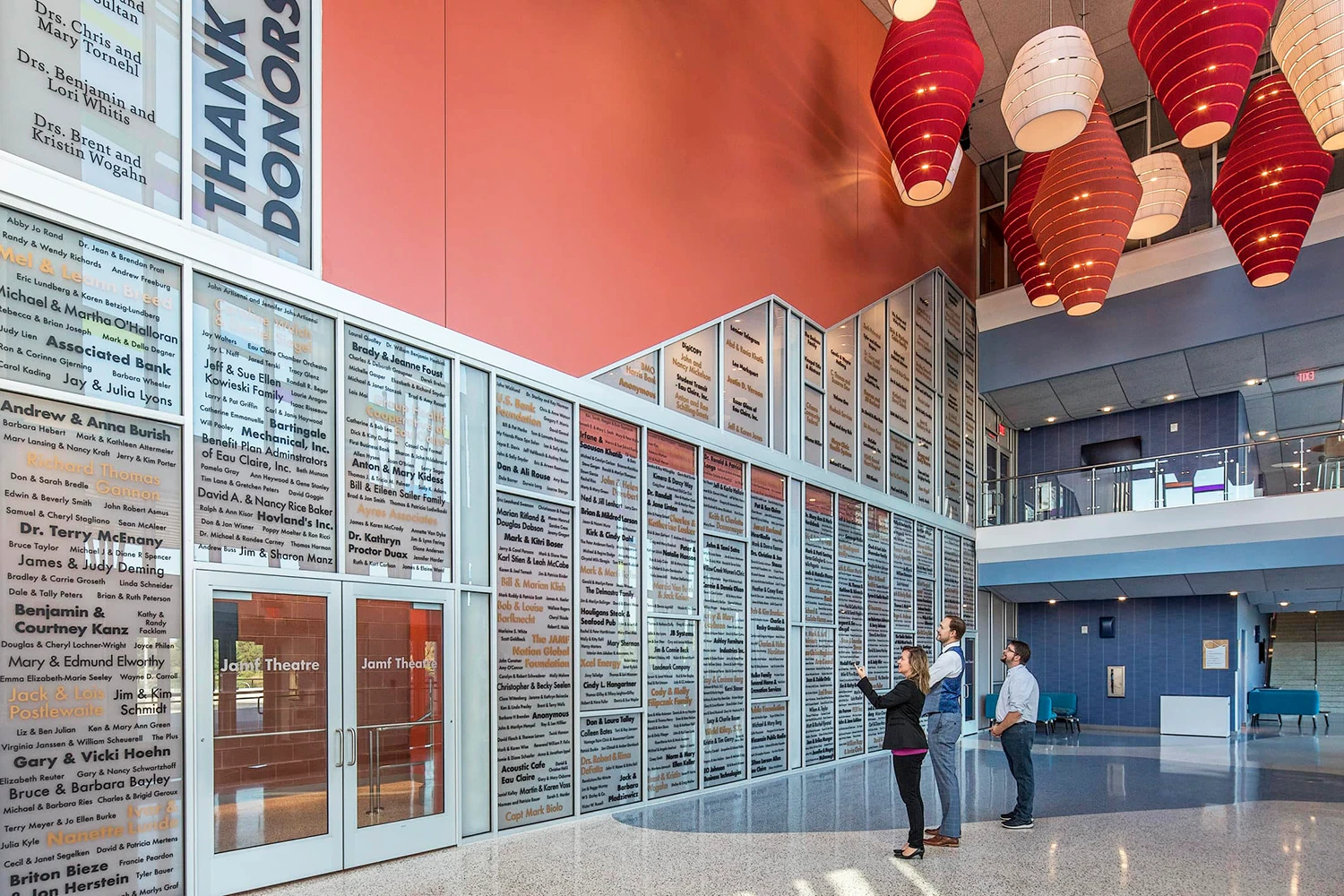
The Pablo Center’s modern design features panoramic views of the Eau Claire and Chippewa Rivers, along with public art installations inside and out. Sculptures, murals, and creative design elements help root the space in Eau Claire’s artistic spirit and natural setting.
Sustainability & Site Design
The entire development emphasized walkability, energy efficiency, and river-friendly design. Stormwater management, LED lighting, and proximity to Eau Claire’s trail network promote both environmental and human health, aligning with the city’s long-term sustainability goals.
Trail & Riverwalk Connectivity
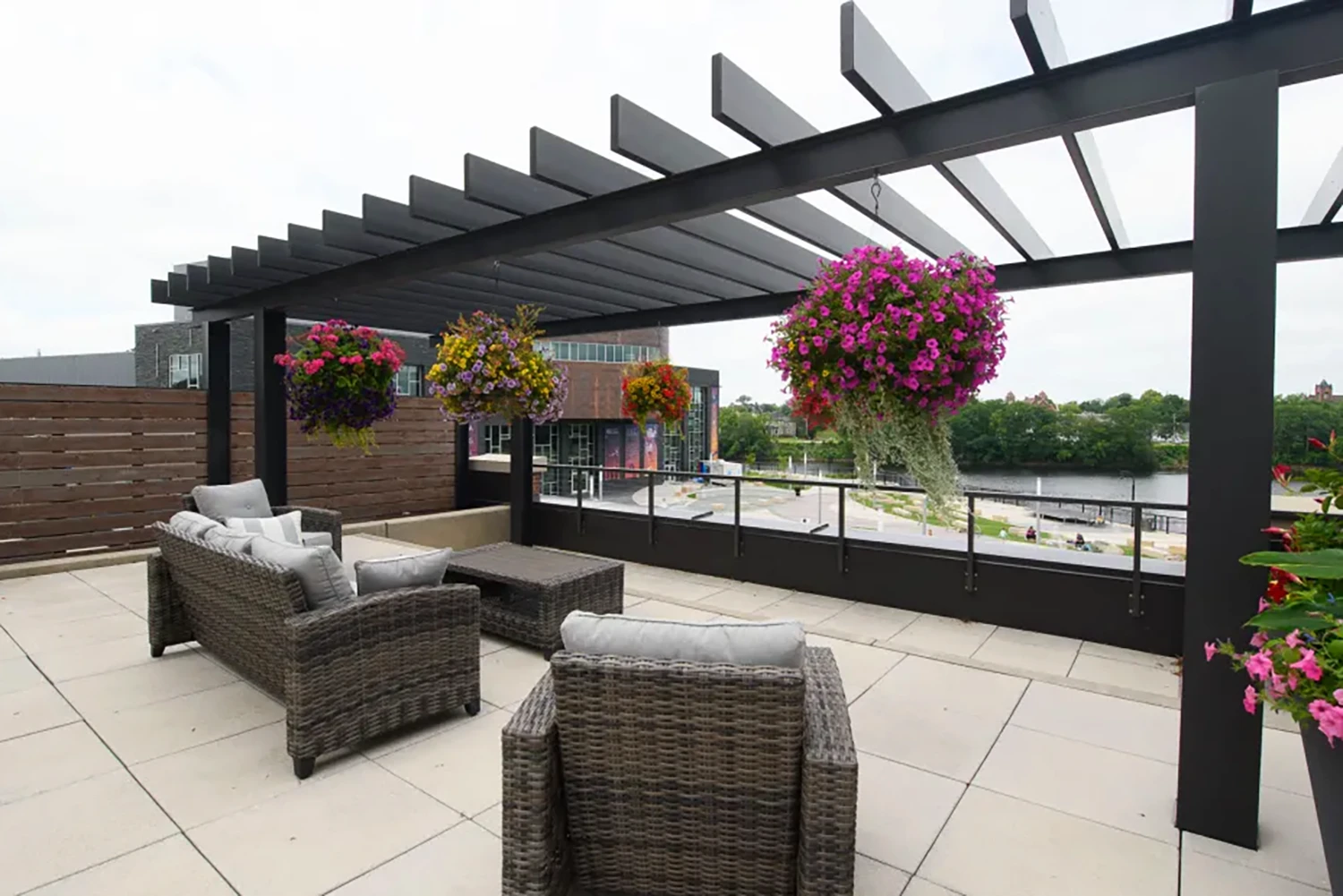
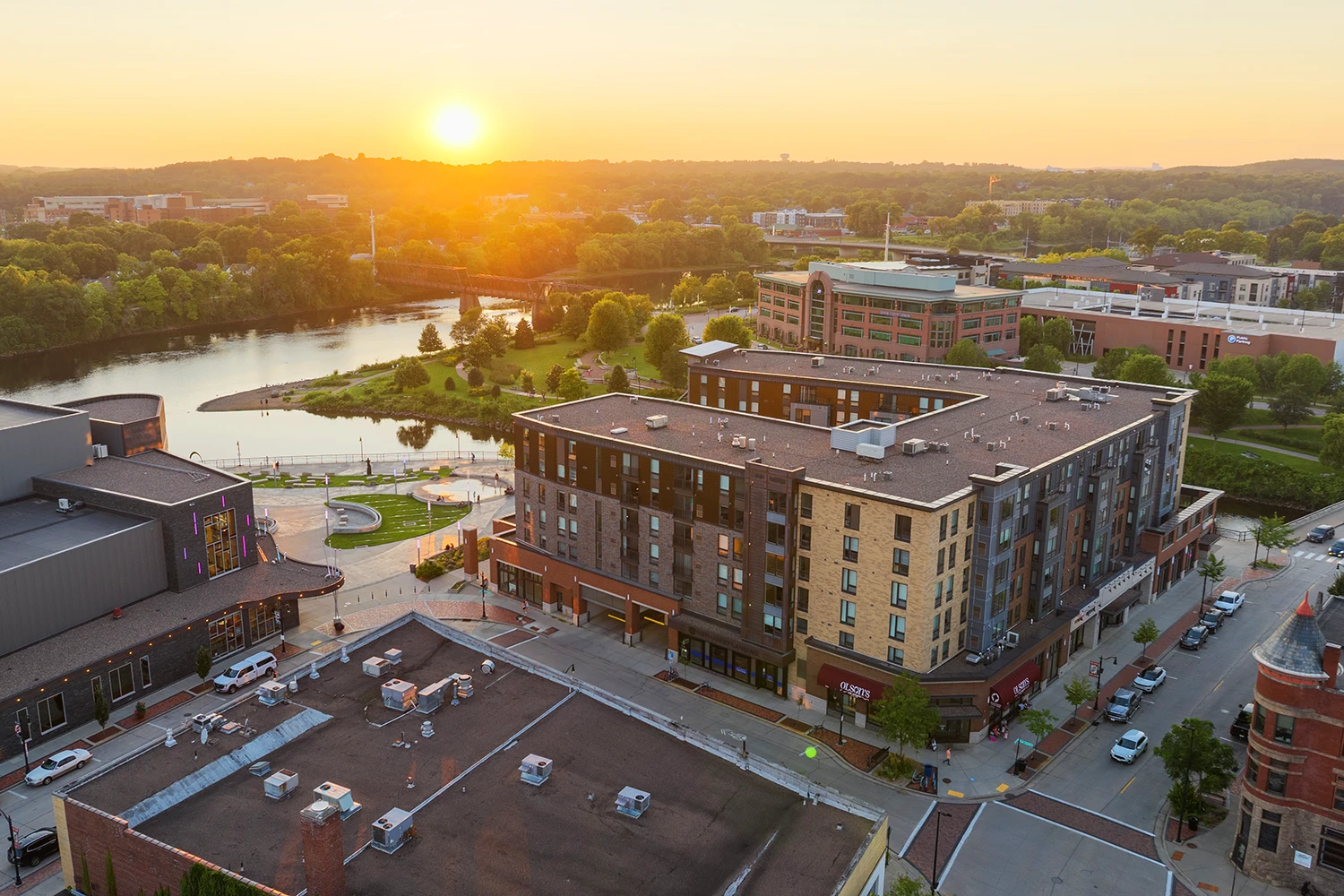
Though not formally part of Haymarket Plaza, the Confluence Project ties directly into Eau Claire’s extensive riverfront trail network. This enhances walkability, bike access, and recreational use, and it makes it easy to move between UW–Eau Claire, Phoenix Park, and downtown businesses.
Cultural Programming & Community Access
The Pablo Center runs a full calendar of public programming, including free gallery nights, student showcases, workshops, and artist talks. This makes the space feel open and welcoming, not just for ticketed events but as a cultural hub for the entire region.
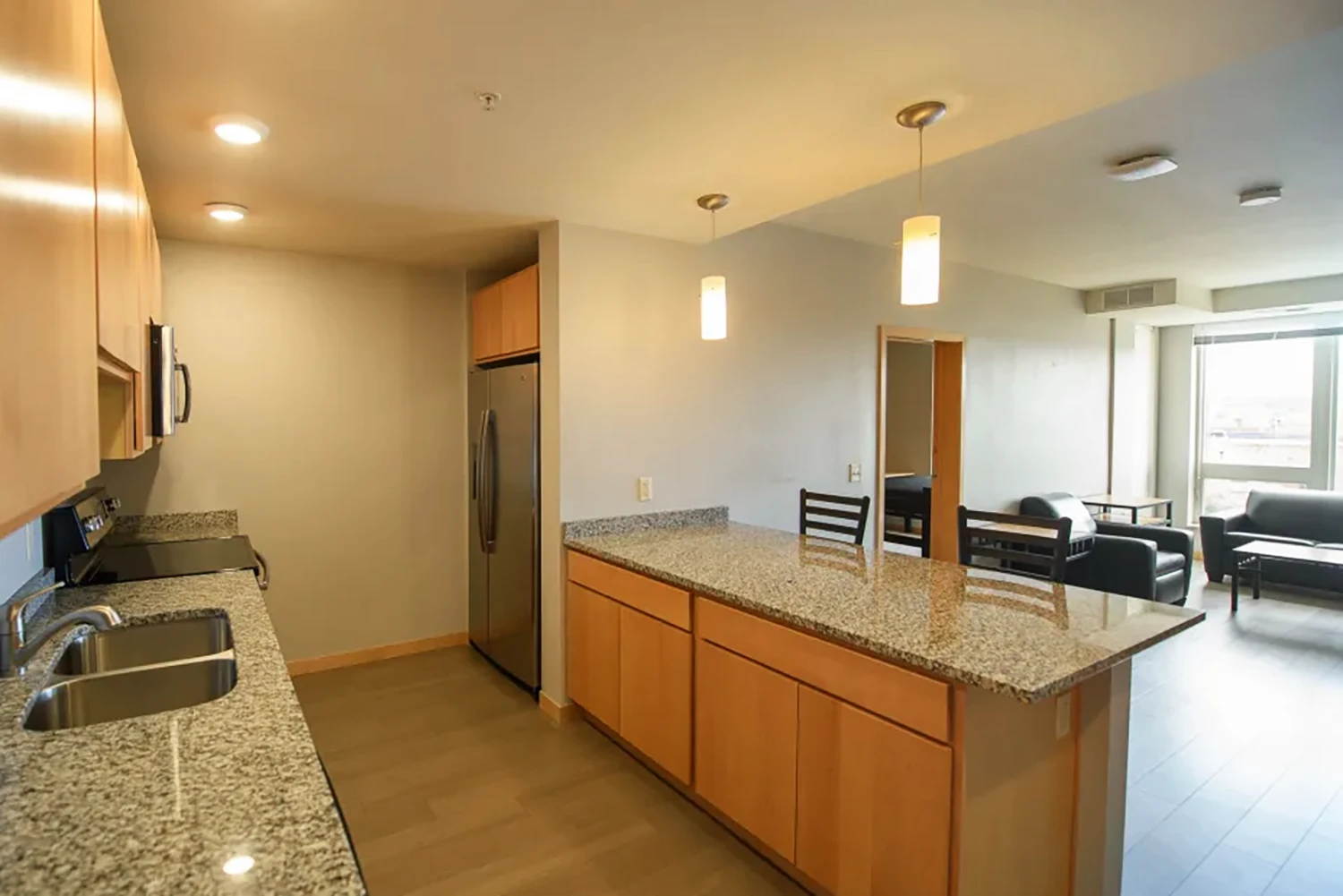
Student Housing
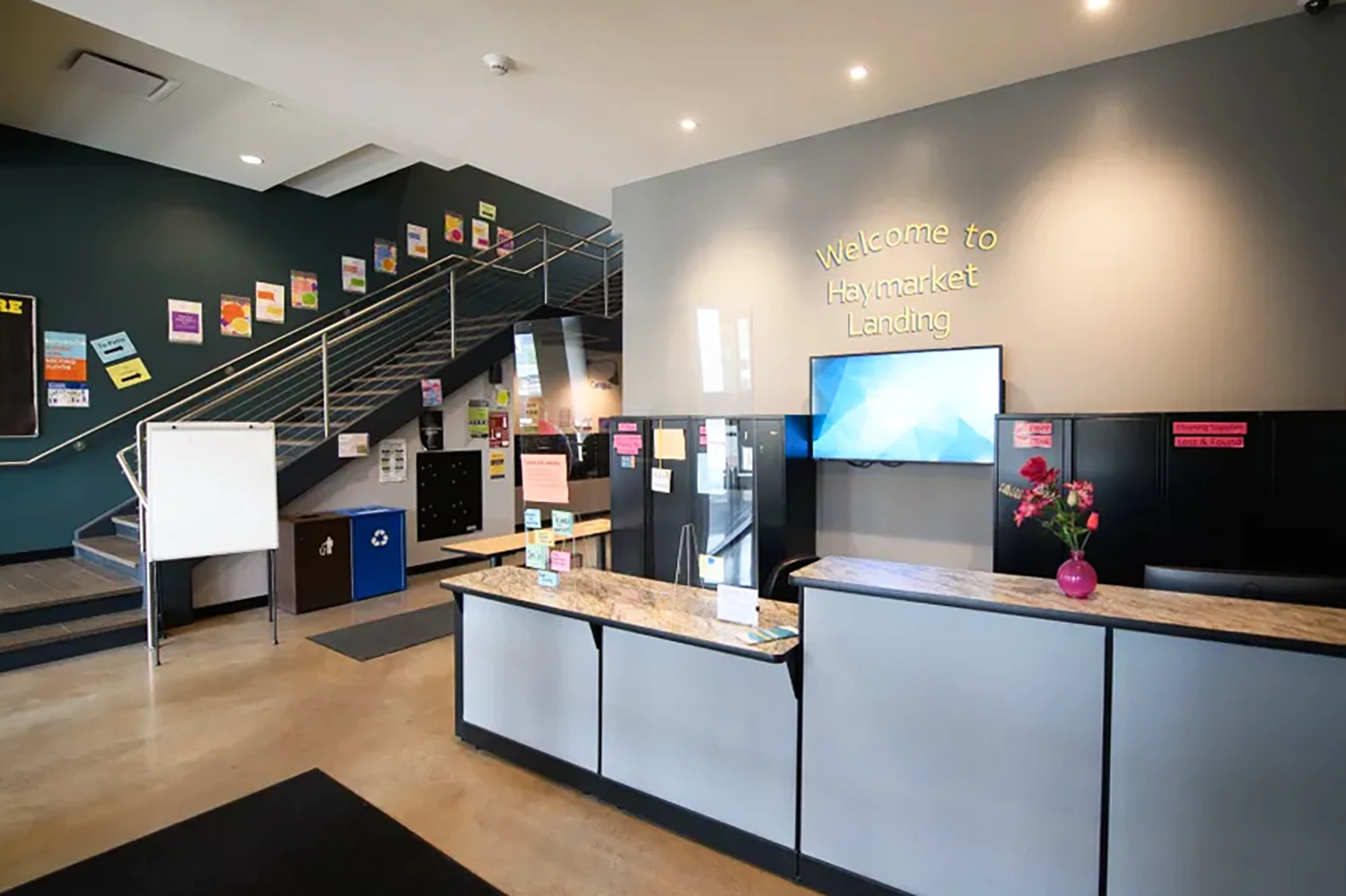
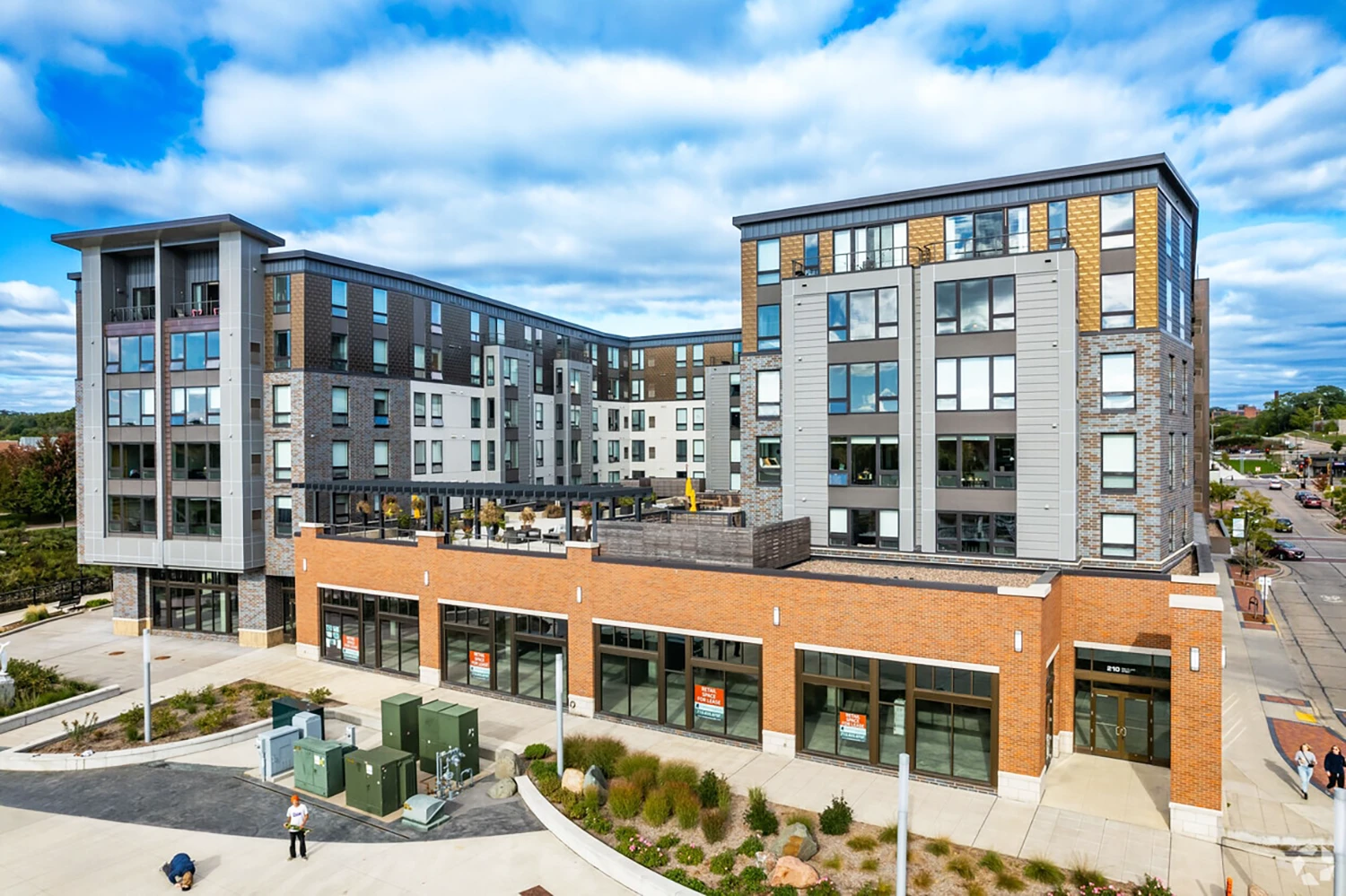
Just steps from the Pablo Center, Haymarket Landing provides apartment-style housing for over 400 UW–Eau Claire students. This setup blends student life into downtown and gives students direct access to the arts, restaurants, trails, and riverfront amenities.
Ground-Floor Retail Space
The first floor of Haymarket Landing features retail and commercial storefronts, activating the street level with businesses that serve students, visitors, and the downtown workforce. This design supports local entrepreneurship while adding everyday conveniences to the neighborhood.
Photos by University of Wisconsin-Eau Claire
Economic Impact of the Project
The Confluence Project brought new energy, new ideas, and new investment to the whole of downtown Eau Claire and beyond.
• Catalyzed Over $60 Million in Construction: Public and private investment in the Confluence Project has directly stimulated new development, employment, and long-term property value increases downtown.
• Increased Property Tax Base: New commercial and residential development surrounding the project has significantly raised property values and added to the city’s tax base, helping fund core services and infrastructure.
• Doubled as a Regional Arts Anchor: Thanks to its robust programming calendar, the Pablo Center draws over 100,000 visitors annually, generating demand for nearby restaurants, hotels, and shops.
• Boosted Event Tourism Revenue: The influx of visitors for concerts, conferences, and cultural programming has supported local tourism, increasing revenue across the sector.
• Spurred Downtown Growth: The success of the Confluence Project has encouraged further residential and commercial development, including new restaurants, coworking spaces, and cultural amenities.
• Created Permanent Jobs: The Pablo Center at the Confluence and nearby developments have generated long-term positions in arts, hospitality, education, and facilities management.
• Expanded Educational Opportunities: Students at University of Wisconsin-Eau Claire benefit from access to a professional-caliber venue, bridging academic learning with real-world experience in the arts and event production.
• Improved Talent Attraction & Retention: The vibrancy and amenities introduced by the Confluence Project make Eau Claire more appealing to creative professionals, entrepreneurs, and graduates choosing where to build their lives and careers.
• Enhanced Civic Identity: By affirming Eau Claire’s role as a center for culture, creativity, and innovation, the Confluence Project has become a point of pride for residents and a symbol of what’s possible through collaboration.
Photos by Megan Zabel Holmes Creative Studio
The Confluence Project reshaped downtown Eau Claire, Wisconsin in ways that go far beyond its physical footprint. From packed concerts and student performances to thriving small businesses and new housing, the area around the Pablo Center and Haymarket Landing has become one of Eau Claire’s most dynamic destinations. It’s a powerful example of how a single idea—backed by broad community support—can redefine what’s possible for a city.